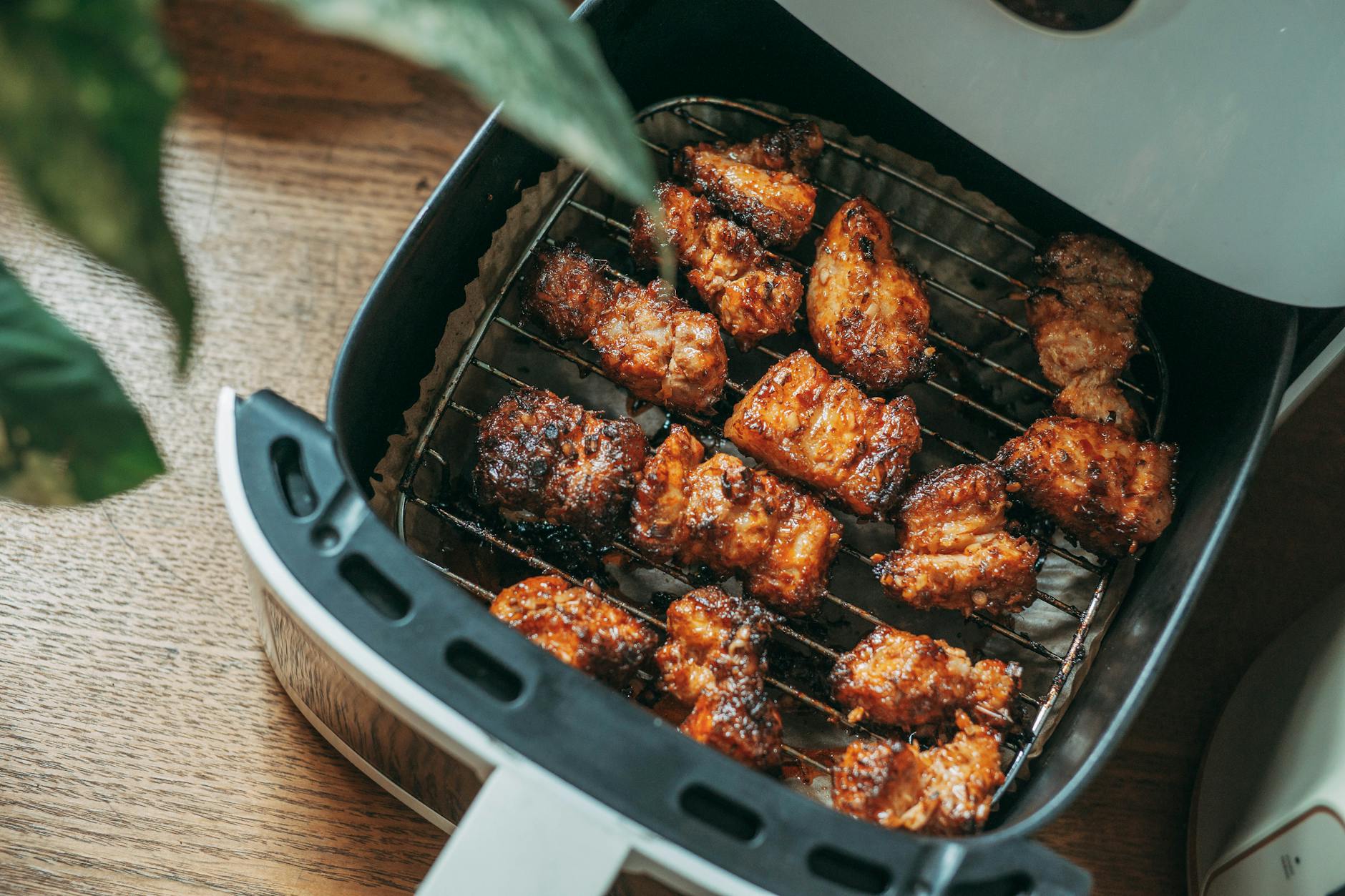
A brand new air fryer basket looks flawless, but that factory nonstick surface needs a little care in its first few uses to hold up over months of cooking. Seasoning isn't a myth borrowed from cast iron; for air fryer baskets it mostly means cleaning off manufacturing residue, conditioning the surface with a thin layer of oil, and running an empty cycle before food ever touches it. Skip this step and you may notice food gripping the basket sooner than it should, especially with anything starchy or cheesy.
This guide walks through the first-use routine and the ongoing habits that keep a basket releasing food cleanly for the life of the appliance.
Why New Baskets Benefit From Seasoning
Most air fryer baskets use a nonstick coating (commonly a PTFE or ceramic-style finish) applied at the factory. During shipping and handling, that surface can pick up dust, a light film of manufacturing oil, or packaging residue that isn't visible but can affect how food releases on the first few cooks. Manufacturers typically recommend a wash before first use for exactly this reason.
Beyond that first wash, a light oil coating helps fill in the microscopic texture of the nonstick surface so food has less to grip onto. It's not permanent seasoning like you'd build on carbon steel, but it does make a real difference in how easily fries, chicken skin, or breaded foods lift away from the mesh.
Step 1: Wash the Basket and Tray Before First Use
Unbox the basket and any inner tray or crisper plate, then wash both in warm water with a mild dish soap and a soft sponge. Avoid anything abrasive at this stage, no steel wool, no scouring powder. Rinse thoroughly so no soap film remains, since a soapy residue can smoke or taste off during the first cook. Dry completely with a towel before moving on.
Check your manual for dishwasher guidance. Many basket and tray sets are labeled dishwasher-safe, but repeated dishwasher cycles with harsh detergent can dull a nonstick finish faster than hand washing, so hand washing is worth doing at least for this first pass.
Step 2: Apply a Thin Layer of Oil
Once the basket is dry, rub a small amount of neutral oil (vegetable, canola, or avocado oil all work) over the interior surface and the mesh bottom using a paper towel or clean cloth. You want a thin, even film, not a pool of oil sitting in the bottom. Too much oil can smoke during the empty preheat cycle in the next step.
Skip cooking sprays with propellants for this step; the aerosol propellant and thickening agents in some spray-on oils can leave a sticky buildup on nonstick coatings over repeated use. A liquid oil applied by hand gives better control.
Step 3: Run an Empty Preheat Cycle
With the oiled basket in place and nothing else added, run the air fryer empty at around 350°F for about 5 minutes. This does two things: it burns off any last packaging smell (a lot of new appliances have a faint plastic or metallic odor on first power-up) and it lets the thin oil layer bond lightly to the surface rather than sitting wet.
Open a window or turn on a range hood during this step. Some smoke or odor on a first empty run is normal and not a sign anything is wrong with the unit. If you see heavy smoke or smell burning plastic beyond a mild first-use odor, stop and let the unit cool, then check that no protective film or sticker was left on internal parts.
Step 4: Wipe Out Excess Oil After Cooling
Let the basket cool completely, then wipe out any oil that pooled in the bottom corners with a dry paper towel. You're not trying to strip the surface bare, just removing anything that would otherwise smoke on the next real cook. The basket is now ready for its first batch of food.
Keeping the Nonstick Surface Working Long-Term
Seasoning at the start matters less than the habits you build after. A few things make the biggest difference over months of use:
Oil food lightly rather than the basket itself for most cooks; a light toss of fries or wings in a teaspoon or two of oil coats the food evenly and protects the coating from direct high-heat contact with bare metal spots that can develop over time. For naturally sticky items like breaded chicken or fish, a light spray or brush of oil directly on the basket mesh right before adding food still helps, just keep it thin.
Avoid metal utensils. Tongs and spatulas with metal tips can scratch a nonstick coating in a single pass, and once scratched, food sticks to that spot permanently. Silicone-tipped tongs or wood utensils are safer for shaking baskets or flipping food midway through a cook.
Let the basket cool before washing. Plunging a hot basket into cold water can warp thin metal or stress the coating. Wash by hand when you can, using a soft sponge, and reserve any dishwasher use for baskets the manual explicitly labels dishwasher-safe.
Dry fully before storing. Trapped moisture on a mesh basket can lead to spotting or, on cheaper coatings, gradual breakdown of the nonstick layer.
Watch for early wear signs: a dull patch, a slightly rough feel where it used to be smooth, or food starting to stick in one specific spot. These usually show up before food safety is affected, but a heavily worn or flaking nonstick surface should be replaced rather than pushed through more cooks, since flaking coating shouldn't end up in food.
What to Avoid When Seasoning or Cleaning
Skip cooking spray directly from the can aimed at the basket; the fine mist tends to pool unevenly and some propellant blends leave a gummy residue that's hard to remove. Skip abrasive pads, powdered cleaners, or anything labeled for tough baked-on grease removal on stainless steel, since those are typically too harsh for a nonstick basket finish. And skip high smoke-point oils used at very high temperatures for the seasoning step specifically; a moderate 350°F preheat is plenty and there's no benefit to going hotter for this particular task.
FAQ
Do I really need to season an air fryer basket, or can I just start cooking? You can technically start cooking right away on most units, but at minimum wash the basket first to remove manufacturing residue. Adding the thin oil layer and empty preheat cycle takes only a few extra minutes and noticeably improves food release in the first several cooks, so it's worth doing even if it's not strictly mandatory.
Is it normal for a new air fryer to smell or smoke a little on the first run? A faint plastic or metallic smell and light smoke during the first one or two empty runs is common and usually fades after that. Heavy, dark smoke or a strong burning plastic smell is not normal; stop the unit, let it cool, and check for any leftover packaging or protective film inside.
Can I use olive oil to season the basket? Olive oil works for the seasoning step since the temperature involved is moderate, but for regular cooking many people prefer a more neutral, higher smoke-point oil like avocado or canola oil to reduce smoking at higher air fryer temperatures.
Why does food stick even after I've seasoned the basket? Sticking after seasoning is usually about technique rather than the basket itself: overcrowding the basket, skipping oil on naturally sticky foods like breaded items, or scratches from metal utensils are the most common culprits. Check the surface for visible scratches or dull patches, and make sure food has enough space for air to circulate around it.
How often should I re-oil the basket after the initial seasoning? There's no fixed schedule; many people simply oil the food rather than the basket for most cooks and only add a light coat directly to the basket when cooking something prone to sticking, like breaded chicken thighs or fish fillets. If you notice increased sticking over time, a quick wipe of oil before the next cook can help.