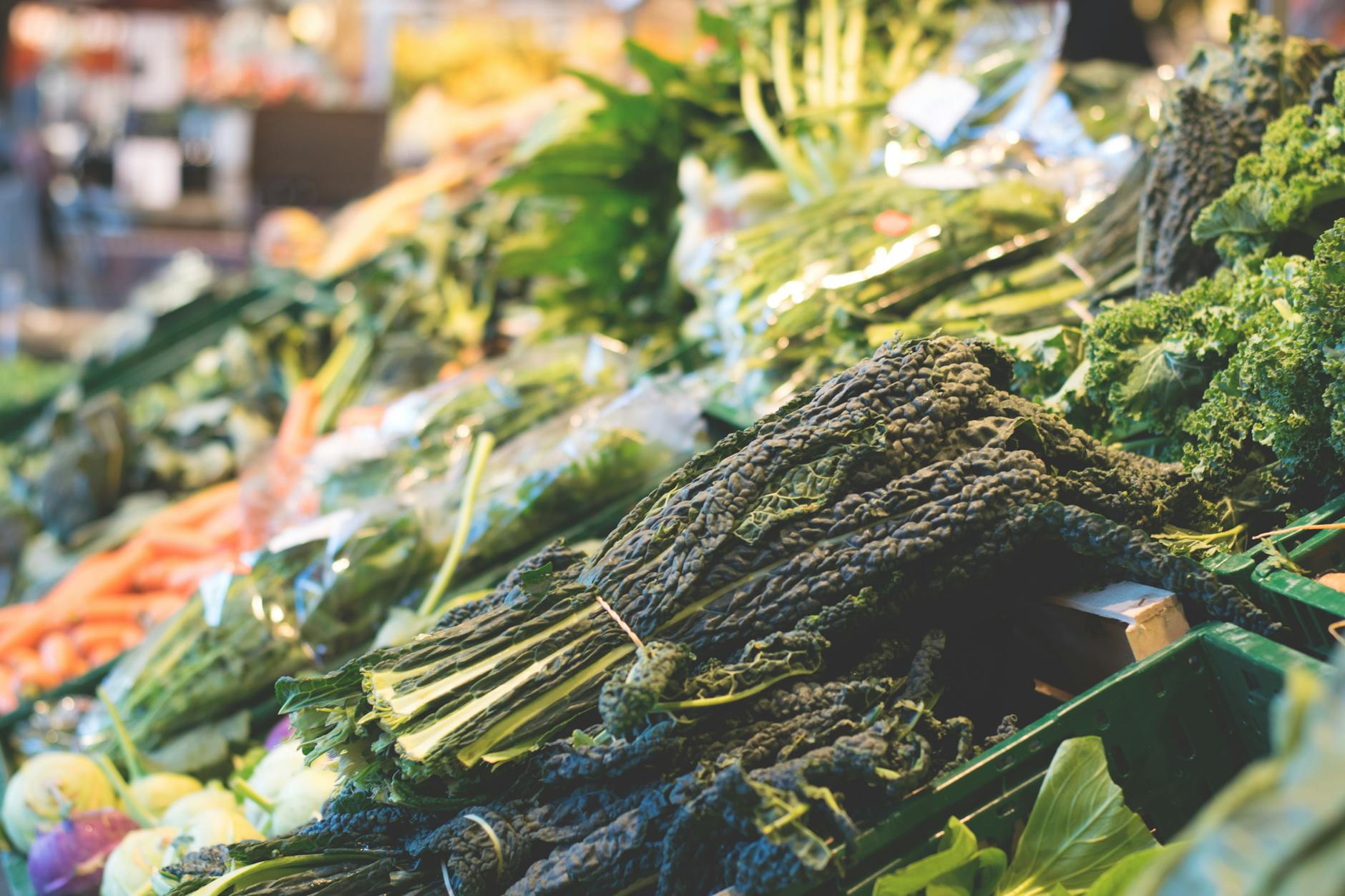
Leafy greens are the vegetable most likely to go from raw to ash in an air fryer, and it usually happens in the time it takes to check your phone. The basket's fast-moving hot air is great for crisping potatoes and chicken skin, but that same airflow will torch a thin kale leaf in seconds if the temperature is too high or the leaves are too crowded. The fix isn't complicated once you understand why greens burn differently than denser vegetables.
Why Leafy Greens Scorch So Easily
A potato wedge has enough mass and moisture to slowly steam from the inside while the surface browns. A kale leaf has almost none of that buffer. It's mostly surface area and very little water once it's dry, so the same hot air that takes ten minutes to soften a carrot can char a leaf's edges in two or three. Any part of the leaf that curls up toward the heating element or sits directly under the fan gets hit hardest, which is why you often see perfectly green kale sitting next to leaves that are nearly black.
Oil makes this worse if you use too much. A heavy coating of oil on a thin leaf essentially fries that spot faster than the rest of the leaf can cook, so you end up with dark, bitter patches while other areas stay pale and chewy.
The Temperature and Timing That Actually Works
Most basket air fryers default to somewhere between 350°F and 400°F for vegetables, and that range is too aggressive for leafy greens. Drop the temperature to 300°F to 325°F for kale, collards, and chard, and expect the cook time to run three to six minutes depending on how thick the leaves are and how full the basket is. Spinach cooks even faster because the leaves are thinner and more delicate, so start checking at the two-minute mark.
The pattern to watch for: the leaves will look wet and floppy for the first minute or two, then start to shrink and curl, then finally turn matte and crisp at the edges. That last stage happens fast, often within thirty seconds, which is why frequent checking matters more than following a fixed timer for this particular food.
If your air fryer has a dedicated low-heat or dehydrate-adjacent setting, that's often a better fit for kale chips than the standard vegetable preset, since it moves air more gently.
Prep Steps That Prevent Burning
Moisture is the enemy of even cooking here, and not in the way people assume. Wet leaves don't burn faster, they just steam first and then burn once the water finally cooks off, which throws off your timing. Wash greens ahead of time and dry them thoroughly, either with a salad spinner or by patting between towels, so what goes into the basket is actually dry.
Strip the tough center ribs out of kale and collard leaves before cooking. Those ribs take much longer to soften than the leafy part, so if you leave them in, you're stuck choosing between undercooked ribs and burnt leaves. Tear the greens into roughly similar sizes, a few inches across, so nothing is dramatically thinner or thicker than its neighbors and cooking at different rates.
Use oil sparingly and apply it evenly. A light misting or a scant drizzle tossed through the leaves by hand works better than pouring oil into the basket. You want each leaf to look barely glossy, not slick. Salt after cooking rather than before, since salt draws out moisture and can leave you with soggier greens going into the basket.
Don't Overfill the Basket
Greens take up a surprising amount of volume before they cook down, and airflow is what makes an air fryer work. If the basket is packed, the leaves in the middle are shielded from hot air while the ones on top or against the sides get overexposed, which is a common reason people end up with a mix of raw and burnt in the same batch.
Fill the basket loosely, no more than half to two-thirds full before cooking, and plan on doing greens in batches rather than trying to fit an entire bunch at once. Shake or toss the basket at the halfway point, and for kale chips specifically, a second toss near the end helps redistribute leaves that have shifted toward the hot spots.
Dual-basket and larger oven-style air fryers with multiple racks can help here because you get more surface area to spread leaves thin, but the same rules about temperature and batch size still apply regardless of unit size or wattage.
Signs You're About to Burn a Batch
A sharp, slightly acrid smell is usually the first warning, arriving before you can see obvious char. If you catch that smell, pause the fryer and check immediately rather than waiting for the timer. Visually, the tip-off is leaves that have gone from bright green to olive or brown at the edges while the center is still green, since that's the transition point right before the whole piece goes dark. Pulling the basket out for a look every minute during the final stretch of cooking costs you almost nothing and saves the batch more often than not.
FAQ
Can I air fry spinach the same way as kale? Not quite. Spinach leaves are thinner and have less structure, so they cook faster and go from wilted to crisp (or burnt) in a narrower window. Use the lower end of the temperature range, around 300°F, and check at two minutes rather than waiting for a longer kale-style cook time.
Why do my kale chips turn out chewy instead of crisp? This usually means the leaves weren't dried enough before cooking, the batch was overcrowded, or the temperature was too low to fully drive off moisture. Try patting the leaves drier, spreading them in a thinner single layer, and giving them an extra minute or two once they look mostly dry but still slightly soft.
Should I remove the stems from spinach and other greens? Baby spinach usually doesn't need stem removal, but mature spinach, kale, and collards have tougher ribs that cook much more slowly than the leaf itself. Stripping those out before cooking helps the whole batch finish at roughly the same time.
Is it safe to season greens with oil-based dressings before air frying? Light oil is fine and actually helps crisping, but heavier dressings with sugar or dairy can scorch and smoke at even moderate air fryer temperatures. Keep pre-cook seasoning simple, oil and dry spices only, and save sauces or dressings for after the greens come out of the basket.
Do I need to preheat the air fryer for leafy greens? It's not essential the way it is for something like frozen fries. A short preheat of a minute or two can make cook times more predictable, but skipping it just means your first batch may run slightly longer than the ones after it, so watch the first batch closely rather than trusting the timer alone.